Animal rights advocates yesterday opposed a bill threatening jail and six-figure fines for trespassing on farms. Camille Labchuk, executive director of Animal Justice, called it an “ag gag law” to conceal cruel farm practices: "This includes things like keeping pregnant pigs in gestation crates which are metal cages so small the mothers can’t even turn around."
No Excuse To Keep Nazi List Secret: Immigration Minister
There is no excuse to delay release of a decades-old blacklist of 20 suspected Nazi fugitives in Canada, Immigration Minister Marc Miller said yesterday. Miller said he had not seen the confidential list but questioned if any suspects were still alive: "There’s no excuse for delay."
More Than 800 “De-Banked”
More than 800 depositors have been “de-banked” nationwide in the past five years at bankers' discretion, say Access To Information Records. Federal law does not allow banks to cancel accounts except in cases of suspected criminality: 'How many depositors have been de-banked in Canada for reasons other than substantiated terrorism or money laundering?'
Warn GG: Stop The Spending
Governor General Mary Simon must economize in her $24.7 million annual budget, the Commons government operations committee said yesterday. MPs protested spending was so lavish that Rideau Hall did not tell the whole truth when questioned about the cost of overseas junkets: "You got caught red-handed."
Censor Cellphone Data Scoop
The Public Health Agency has censored thousands of pages of data on cellphone users it collected in the name of pandemic lockdown enforcement. The Agency invoked commercial confidentiality in refusing to disclose weekly reports drawn from cell tower tracking data on millions of mobile customers: "We have developed internal policies to limit access to these data."
MPs Seek Green-Wash Probe
The Commons ethics committee last evening targeted an investigation of alleged "green-washing" by a federal foundation suspected of sweetheart subsidies for environmental technology firms. Industry Minister François-Philippe Champagne suspended funding for Sustainable Development Technology Canada over “allegations of mismanagement.”
Be Ashamed, Says Senator
Canadians should be ashamed over mistreatment of Indigenous people, says Senator David Arnot (Sask.). The former Saskatchewan human rights commissioner said “ritualized boilerplate statements” of contrition are insufficient: "Be shocked, appalled and ashamed."
Won’t Disclose Debt Charges
Finance Minister Chrystia Freeland’s department yesterday said it does not know how many billions it is currently spending on debt interest charges. One senator expressed disbelief: "All the smart people are in the Department of Finance."
Builders’ Tax Cut Worth $4B
A tax holiday for apartment builders will cost more than $4 billion, the Department of Finance disclosed yesterday. Expenses are triple those estimated two years ago by the Budget Office: "We are talking about $4.5 billion over the next five years."
Name Nazi Fugitives: Senator
Cabinet under a 2009 international pact has an obligation to name Nazi fugitives let into Canada, a Liberal-appointed Senator said yesterday. Authorities will not release the confidential 1985 list of 20 suspected war criminals: "They knew."
Say Canada’s Unsafe For CBC
Canada is unsafe for Canadian Broadcasting Corporation reporters, says CEO Catherine Tait. The network chief in a report to Parliament claimed CBC employees “face rising threats to their safety both online and in the field.”
‘I’m Just A Referee’: Speaker
Parliament yesterday elected its first Black Speaker 55 years after Black MPs entered the Commons. Liberal MP Greg Fergus (Hull-Aylmer, Que.) told the House he was “nothing more than a referee.”
Polled Amnesty For Scofflaws
The Canada Revenue Agency polled accountants and tax lawyers on whether to grant amnesty to scofflaws who confess to not paying their taxes. Internal research at the Agency acknowledged the idea was “contentious.”
Nazi Blacklist Remains Secret
Attorney General Arif Virani will not commit to disclosing a confidential list of 20 suspected Nazi fugitives who immigrated to postwar Canada. The secret list was compiled in 1985 by a federal war crimes commission: "There is always room to learn."
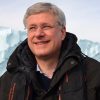
Most Photographed PM Ever
Stephen Harper donated more than 1.2 million official photographs to the federal archives, records show. The entire collection of Harper photos, emails and paraphernalia is the largest of any prime minister donated for an undisclosed tax credit: 'It was an eye-opening experience.'