‘Strategy’ Follows Bad Polling

Prime Minister Mark Carney abruptly withdrew $30 billion in retaliatory tariffs on the United States after in-house polling showed Canadians were becoming wary of “an ongoing cycle of retaliation,” newly released records show. Carney at the time called it a calculated strategy: "We drop the gloves in the first period and send a message, and we’ve done that." READ MORE
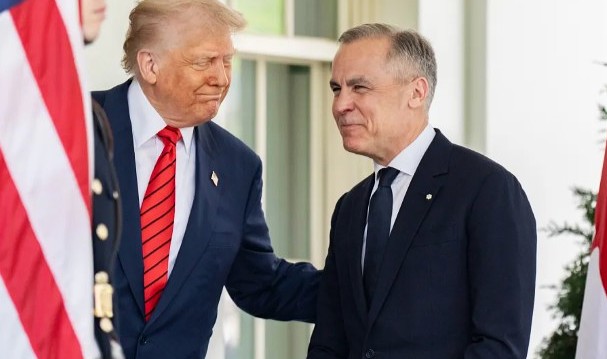

Stressed Secrecy On 10yr Deal

Federal managers stressed secrecy in drafting a 10-year consultants’ contract to manage the government's website at an undisclosed cost, Access To Information records show. Cabinet had repeatedly promised to cut spending on consultants: "We have determined our safest approach is to maintain confidentiality." READ MORE

28% Of Students Skip Meals

A quarter of Canadian students surveyed say they are so hard up they skip meals, says a Food Banks Canada report to the Commons human resources committee. MPs are studying youth unemployment including the impact of cabinet’s now-rescinded 2023 decision to let a million foreign students into the workforce: "Something is not working." READ MORE

OK $65M In Rural Incentives

Teachers, pharmacists and other young professionals who relocate to rural Canada are eligible for $65.3 million a year in Canada Student Loan forgiveness under regulations that took effect yesterday. A similar program in the medical field was credited with drawing 17,921 doctors and nurses to rural practice: "The loan forgiveness benefit was very impactful." READ MORE

Guilbeault Bulb Ban Enforced

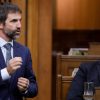
The Department of Environment yesterday began enforcement of a national ban on the manufacture and import of compact fluorescent bulbs due to mercury poisoning. Then-Minister Steven Guilbeault drafted the ban in 2024 on bulbs once touted as climate-friendly energy savers: "How many people know?" READ MORE

Guest Commentary

Sneezy Waters

New Year’s 1953

I was a boy when Hank Williams died. I once spoke of that day with a friend who played steel guitar in our band. He recalled hearing the news on the car radio, New Year’s Day 1953, driving to a gig. They pulled over and cried. People knew what this loss meant. I don’t think Hank died of his addictions. He used everything up and had no more life to live. Hank burned out at 29 from alcohol and morphine. He was a gun fancier with a violent streak, and had these painfully awkward moments as alcoholics do. Yet he had a powerful sway over people.