
The Senate yesterday observed a seniority record with election of Senator Fabian Manning (Nfld. & Labrador) as chair of the fisheries committee for 14 consecutive years. “I never fished in my life,” joked Manning.
Tracked Just 39% Of The Cash
Fewer than 40 percent of federal transactions were actively tracked and monitored during the pandemic, the Treasury Board has disclosed. The figures follow warnings of waste and fraud in hurried contracting worth billions: “We can have the best laws in the world, but if nobody is ensuring oversight of the process, that’s where we wind up in problems of waste, of potential fraud.”
Tenth Of Senate Faults Jews
Liberal appointee Senator Yuen Pau Woo (B.C.) yesterday served notice of a motion to “examine the risks to Canada and Canadians of complicity” in alleged war crimes committed by Jews. Woo was among 11 Liberal appointees, a tenth of the Senate, to signed petitions accusing Israel of genocide: “We urge senators to do more.”
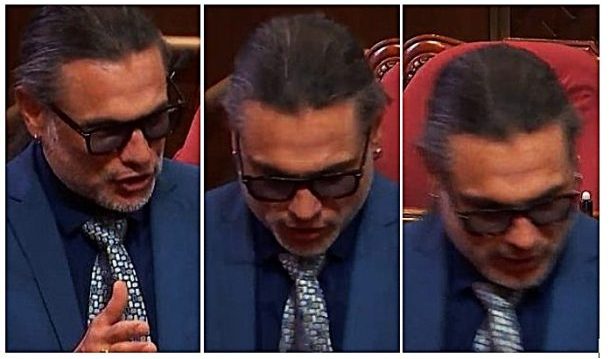
Senator Collapses In Debate
Senator Patrick Brazeau (Que.), 50, yesterday fainted on the Chamber floor, prompting an immediate suspension of Senate business. A medical doctor rushed to Brazeau’s aid as senators cried out: “Oh!”
Cash Crime Busters In Limbo
Creation of a first-ever Canadian Financial Crimes Agency is now speculative though it was a 2021 Liberal Party campaign promise, a cabinet spokesperson said yesterday. The Party had pledged the new agency would coordinate white-collar crime units of the RCMP, Canada Revenue Agency and others: “When and where?”
Claims $200B Defence Budget
No new sacrifice is expected of taxpayers under cabinet’s plan to increase defence spending sevenfold, Prime Minister Mark Carney said yesterday. Defence spending that totaled $34.6 billion last year is targeted to surpass $200 billion annually by 2035: “Can you outline what sacrifices you are expecting Canadians to make?”
Fed Bank Censors Donor Files
A Crown bank, the Business Development Bank, yesterday invoked “solicitor-client privilege” in censoring all records regarding executive donations to the Liberal Party. Transport Minister Chrystia Freeland would not comment on whether she appointed the Bank’s chair as financial agent for her failed Liberal leadership campaign: “The records have been redacted.”
Gender Grants Stir Backlash
A federal program that doubled grants for women in trades was gamed by men who self-identified as female on application forms, says a Department of Employment report. Auditors did not estimate the scope of the problem: “Applications were approved based solely on the apprentice self-identifying as ‘female.'”
Fired For “Black Lives” Crack
A federal labour board has upheld the dismissal of a Employment Insurance call centre worker censured for political comments in the workplace. Records showed the woman expressed resentment over Parliament Hill protests like Black Lives Matter, asking: “When will there be a day to remember white people?”
Last Of Smart Meter Scofflaws
One of last of the smart meter scofflaws has been ordered by Québec Superior Court to permit utility crews to replace her old analog electricity meter. Smart meter mandates provoked years of litigation in provinces where they were enforced: “Out of 4,000,000 meters currently in service in Québec there are only five analog meters left.”
OK $110K For Whale Rescues
The Department of Fisheries will spend $110,000 on whale rescue training for staff. Federal employees had a duty to assist sea creatures in distress, it said: ‘This includes entanglements, strandings dead and live, ship strikes and other threats.’
Gun Buy-Back Is Risky: Study
A federal report suggests a buy-back of “assault style” firearms to be enforced from October 30 by Public Safety Minister Gary Anandasangaree’s department will be a costly failure. Few gun owners trust the government, it said: “As such the program faces a risk of non-compliance.”
‘Unconscious Bias” At C.R.A.
The Canada Revenue Agency in an internal report admits “unconscious biases” in auditing registered charities. The report follows a Federal Court of Appeal challenge by the Jewish National Fund that accused auditors of bias in revoking its charitable status after 57 years: “Employees were aware of unconscious biases.”
Forecasting $1B Annual Loss
Canada Post predicts ongoing losses of more than a billion a year even with new federal loans. Management in a report tabled in Parliament said the post office was structurally unsound: “Cracks are rapidly appearing in the foundation of the postal system.”

Fifth President In Five Years
Cabinet has named a new $296,000-a year president of the Public Health Agency, the fifth in five years. The appointment of Nancy Hamzawi (right) follows admissions of pandemic mismanagement and “naiveté or incompetence” in the hiring of suspected Chinese People’s Liberation Army spies at a high-security lab: “I am talking about people at the Public Health Agency.”