
Bank of Canada Governor Tiff Macklem yesterday denied any collusion with cabinet in contemplating pre-election interest rate relief. MPs questioned Macklem over remarks he and the Prime Minister made separately Wednesday afternoon regarding a rate cut: “Elections are elections.”
7,739 Gazans Apply For Visas
A total 179 Gazans have received Canadian visas to date, figures show. Nearly 8,000 have applied, said the Department of Immigration: “This is Canada’s effort to get people out.”
Climate Emissions Up Again
National greenhouse gas emissions are up again despite Environment Minister Steven Guilbeault’s repeated claims of reductions, new data showed yesterday. Only two provinces, both opposed to the carbon tax, reported lower emissions year over year: “We knew emissions were going to bounce back.”
Ban’s Deferred After Election
The Commons human resources committee yesterday by a 10 to 1 vote rejected a Bloc Québécois proposal to speed a ban on replacement workers. A cabinet bill if passed will not take effect until after the next election: “24 months from now it would finally come into force.”
Dozens Still Boil Tap Water
Dozens of First Nations communities still boil drinking water despite a $4.4 billion federal program to upgrade utilities, says the Department of Indigenous Services. Cabinet had promised to eliminate all long term tap water advisories three years ago: “This needed to be fixed yesterday.”
Interest Cut Would Feel Good
A modest cut in interest rates “would be a confidence booster,” Bank of Canada Governor Tiff Macklem said yesterday. The next announcement on the interbank loan rate, unchanged for nine months, is due June 5: “We know Canadians would like to see lower interest rates.”
Tells Renters, Dare To Dream
Prime Minister Justin Trudeau yesterday said he is “reviving the dream of home ownership for young Canadians.” His remarks followed new CMHC data showing housing starts are slowing, not growing: “Can the Prime Minister tell us in what year home building will actually rise?”
No Credit For Inflation Fight
Canadians give cabinet little credit for fighting food inflation, says in-house Privy Council research. Participants in federal focus groups described initiatives as “reactive,” “insufficient” and “late.”
CBC Pundit Is Now A Judge
A CBC-TV pundit who commented on legal affairs while drawing thousands in consulting fees from the Privy Council Office yesterday was appointed a judge. Carissima Mathen, a University of Ottawa law professor, earlier denied any conflict: “I wish Justice Mathen every success.”
Struggle To Keep It All Going
The post office must “struggle to keep it all going” unless it adopts significant changes, management has written MPs. The remarks come ahead of new loss figures described by one executive as grave: “Canada Post is now at a critical juncture.”
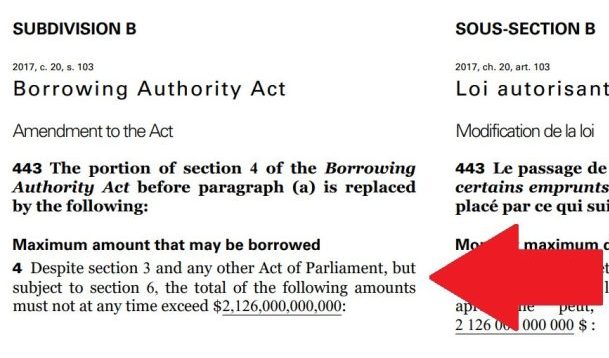
Feds Hike Debt Ceiling Again
Finance Minister Chrystia Freeland is hiking the national debt ceiling for the second time in three years to a record $2.1 trillion. “Our government is at your service,” Freeland yesterday told reporters.
China Agents Will Be Named
Cabinet will soon legislate a mandatory registry of foreign agents, Public Safety Minister Dominic LeBlanc said yesterday. The pledge comes ahead of Friday’s first report of the Commission on Foreign Interference that documented Chinese subterfuge in Canada: “It’s very exciting.”
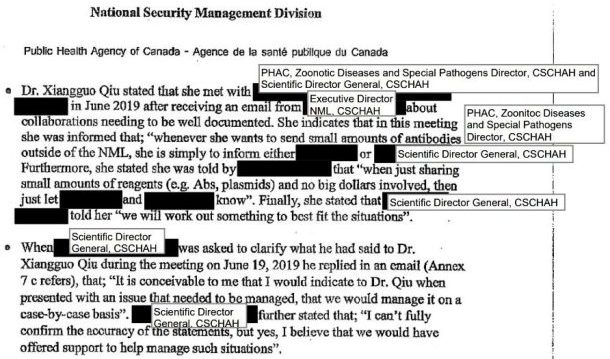
Admit Spy Search Was Slow
Federal authorities now admit they waited too long to act against two scientists fired as Chinese spies at the National Microbiology Laboratory. A security investigation took more than two years: “It doesn’t take a rocket scientist to figure out.”

Lib MP Silent On Accusation
Liberal MP Parm Bains (Steveston-Richmond East, B.C.) yesterday sat silently at the Commons ethics committee as a former opponent seated metres away called him a “willing participant” in Chinese subterfuge. Bains did not reply to reporters’ questions: “Let me introduce my former opponent.”
Math Key To Pension Support
Public support for Alberta Premier Danielle Smith’s proposed withdrawal from the Canada Pension Plan depends on the math, says in-house federal research. New data coincided yesterday with a private Commons bill to block any Alberta pension pull-out: ‘If the 53% figure is correct the province would be justified.’