MPs should veto a 56 percent increase in the federal debt ceiling unless cabinet first writes a budget, the Commons finance committee was told yesterday. No date has been set for a budget, the first in two years: “That is a recipe for trouble.”
Feds Cited U.S. “Militarism”
Then-Prime Minister Pierre Trudeau in 1984 said he privately sympathized with Cold War protesters and “was concerned about losing public opinion” over cruise missile testing, according to declassified records. Cabinet Minutes disclosed senior Liberals were sharply divided over “Reaganite militarism.”
Green Code By Year’s End
Climate change amendments to the National Building Code will be introduced by year’s end, the National Research Council said yesterday. The Council has promised the nation’s 14 million homeowners will not be forced to renovate existing properties: “It is not mandated that everyone refit their homes.”
Covid App Was $16.5M Flop
Barely two percent of Canadians infected with Covid reported the fact using a costly federal tracing app, says the Public Health Agency. Only a fifth of mobile subscribers downloaded the app in the first place despite repeated appeals by the Prime Minister: “This is an approach we are confident is going to make a big difference.”
Gov’t Sued On Covid Hotels
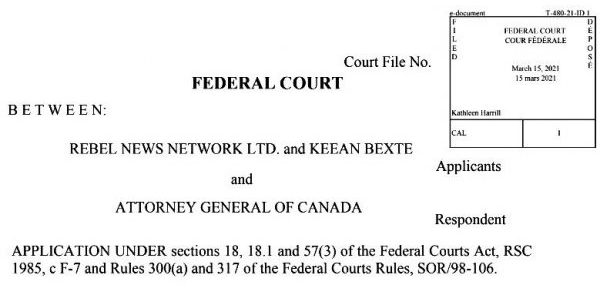
Cabinet faces a Charter challenge of its $225 million Covid hotel program. A media company Rebel News Network Ltd. seeks confidential documents used to justify mandatory quarantine at federally-approved hotels for all returning air travelers: “It is clear there were many other alternatives.”
Not So Fast, MPs Tell Rogers
Opposition MPs yesterday ordered Commons industry committee hearings into a proposed $26 billion buyout involving two of the nation’s four largest telecom corporations. “Frankly the status quo is unacceptable,” Conservative MP Pierre Poilievre (Carleton, Ont.) told reporters: “We have a protected, regulated oligarchy.”
Pleaded To Cut The Spending
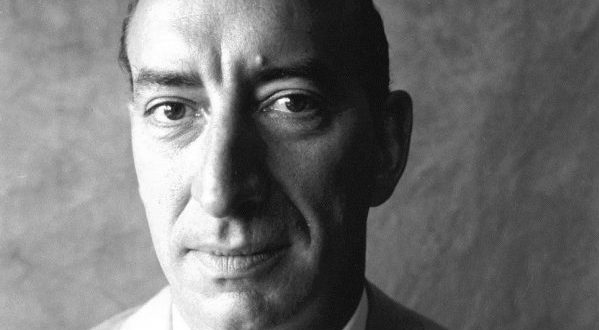
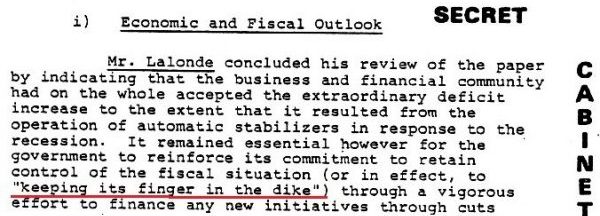
Pierre Trudeau’s last finance minister Marc Lalonde warned cabinet that federal overspending was a looming disaster, like “keeping its finger in the dike,” according to declassified records. The Parliamentary Budget Office has calculated current deficits are running at the highest rate to GDP since Lalonde’s era.
“We have been walking a very narrow tightrope because the pitfalls on either side are very dangerous,” Lalonde told a confidential 1984 cabinet meeting. Lalonde said the deficit was “bad enough” but cautioned: “Bad as it is, it could easily become even worse.”
The federal deficit at the time was $37.2 billion, the modern equivalent of $86 billion. Parliament’s current deficit is $381.6 billion, by official estimate.
“A number of very tough decisions will be required simply to get back to that track, let alone to make the further progress in managing the deficit that the investment community demands and that may well become essential,” Lalonde was quoted in secret Cabinet Minutes. The records were disclosed through Access To Information.
The finance minister at an earlier 1982 meeting described year over year overspending as “extraordinary” and disastrous. “It remained essential however for the government to reinforce its commitment to retain control of the fiscal situation, or in effect to ‘keeping its finger in the dike’ through a vigorous effort to finance any new initiatives through cuts and reallocations,” said Lalonde.
 “Given the current rate of growth of the deficit ‘there were simply no surpluses out there,’” he said. Cabinet at an October 14, 1982 meeting debated new luxury taxes to raise revenue. “Some Ministers suggested increasing taxes to permit an increased deficit to fund additional jobs,” said Cabinet Minutes. “One suggestion was for a luxury tax. Another was for a surcharge or a Canadian National Recovery Tax.”
The current deficit is the equivalent of 8.5 percent of GDP, according to an April 9 Budget Office report Scenario Analysis Update: Covid-19 Pandemic And Oil Price Shocks. “To put this in historical perspective, the last time the budgetary deficit was near 8.5 percent of GDP was in 1984,” wrote analysts.
Successive deficits resulted in a 1995 austerity budget that cut 45,000 public service jobs, raised taxes on large corporations by 12.5 percent and privatized Canadian National Railways. Other measures imposed by then-Finance Minister Paul Martin were required to “eliminate waste and abuse and ensure value for the taxpayer’s dollar,” Martin said at the time.
Cuts included a fifteen percent reduction in defence spending, a 21 percent cut to foreign aid, thirty percent cut in dairy subsidies, abolition of Prairie freight rate subsidies dating from 1897 and repeal of the 1927 Maritime Freight Rates Act.
The austerity budget also wound up seventy-three federal agencies, closed cabinet ministers’ regional offices, introduced a $975 immigration fee, imposed $200 million in administration cuts in employment insurance programs, cut postal subsidies eight percent and saw replacement of the two-dollar banknote with cheaper coinage.
Parliament in 1996 balanced its budget for the first time since 1969. Modern parliaments have not balanced the budget since 2007.
By Staff 
Wants Heroin Decriminalized
A Liberal appointee in the Senate yesterday introduced a private bill promoting decriminalization of heroin. Senator Gwen Boniface (Ont.), a former Ontario Provincial Police commissioner, said simple possession for hard drugs should be a ticketing offence: “Substance use disorder is a public health issue.”
Cabinet Split Over Seal Hunt
Protests over the Atlantic seal hunt prompted a bitter split in the 1984 federal cabinet, according to declassified records. Ministers cursed the International Fund for Animal Welfare while acknowledging the seal hunt was “relatively minor.”
MPs Target Trudeau Advisor
We Charity’s Kielburger brothers yesterday admitted they were in contact with a political aide in the Prime Minister’s Office over a $43.5 million grant. The Commons ethics committee focused on a friendly June 27, 2020 exchange between the Kielburgers and Ben Chin, senior advisor to the Prime Minister: “That’s a private matter.”
OK’d Recycling Covid Masks
The Department of Health just eleven days into the pandemic told doctors and nurses they must recycle rationed masks until Covid-19 ran its course, according to an internal briefing note. “The document is for internal use by Health Canada,” wrote staff.
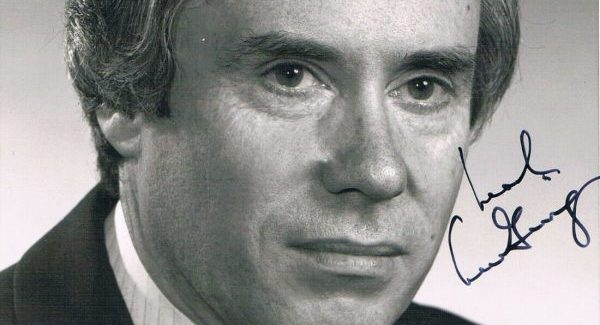
Wanted To Sue Serial Killer
Then-Justice Minister Mark MacGuigan in 1982 wanted to sue child killer Clifford Olson to recover federal cash payments but dropped the idea for fear of political embarrassment, say declassified records. Cabinet at a confidential meeting complained it only learned after that fact the RCMP paid Olson $100,000 to disclose where he buried his victims in the British Columbia woods: “Mr. MacGuigan stressed the decision was his alone.”
Internees ‘Weren’t Unhappy’
Then-Prime Minister Pierre Trudeau’s cabinet opposed compensation for Japanese-Canadians interned during World War II since they did not appear unhappy, according to declassified Cabinet Minutes. Ministers said compensating those whose property was seized would set a precedent: “All minorities will feel they should have a right to redress.”
Plastic Export Ban Opposed
A private bill to outlaw exports of plastic garbage will damage cross-border trade in waste, industry lobbyists yesterday told the Commons environment committee. MPs gave Second Reading to the bill February 3 by a vote of 179-148: “Out of sight, out of mind is not a solution.”
Gov’t Eyed Sweeping Powers
Cabinet considered seizing factory production and imposing a cap on corporate profits in early days of the pandemic, according to internal emails. “What are next steps to advance this?” wrote one political aide in discussing extraordinary measures under the Emergencies Act: “Is there another Act where we could make these amendments?”