
A change in the tax code for small business is “pretty sad”, the Senate national finance committee was told yesterday. The cabinet proposal would strip preferential tax rates from small operators with large savings: “This is all about government revenue.”
Paper Calendars Still Useful
Federal departments and agencies spent more than $300,000 on paper calendars last year. Printers yesterday said they appreciated the business: “Calendar production has dropped considerably over the past ten years.”
Pot Advice: Get A Lawyer
A federal report predicts workplace drug use may rise with legal marijuana. A government agency recommended employers hire a lawyer before attempting any cannabis testing program: ‘The impact of legal cannabis is unknown.’
Calls Photocopying “Theft”
Photocopying literary works is simple theft, Atlantic Canada’s largest independent publisher yesterday told the Commons industry committee. One MP proposed consequences for educators who violate the Copyright Act: “You’d think there would be some sort of repercussions.”
Charities Appeal To Senate
Charity advocates last night appealed to a Senate panel for an overhaul of regulatory treatment of the sector. “At the moment we have an out-of-date policy framework, much of which dates from the 16th century,” said Brian Emmett, chief economist for Imagine Canada.
Carbon Tax Illegal, MPs Told
The national carbon tax is unconstitutional and must be overturned in court, Alberta United Conservative Party leader Jason Kenney yesterday told the Commons finance committee. Kenney said that, if elected in a provincial vote in 2019, he would have the province join a Saskatchewan challenge of the Greenhouse Gas Pollution Pricing Act: “It’s all economic pain and no environmental gain.”
Cannabis ‘Poor Public Policy’
Legal cannabis will have a far-reaching impact on Canadian youth and policing, the Senate social affairs committee was told yesterday. Canada would become only the second nation to legalize recreational marijuana, after Uruguay in 2012: “This is poor public policy.”
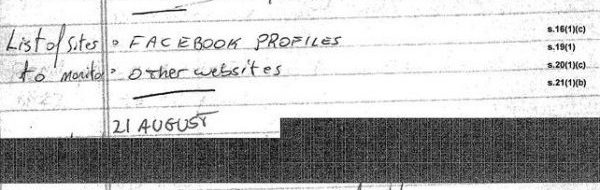
Feds Run Facebook Blacklist
Police and federal agencies have compiled a blacklist of Facebook pages and other social media by environmental groups, according to Access To Information records. The monitoring is outlined in RCMP and staff notes compiled by an “intelligence service” in the Department of Fisheries: ‘These are known professional protesters.’
Post Braces For Marijuana
Canada Post has drafted a 55-page plan to manage marijuana by mail, but censored details under Access To Information. Police predict a boon in mailed drugs if Parliament legalizes recreational marijuana: “It is a growing problem.”
No Cussing In Football
The Canada Broadcast Standards Council has cited TSN for broadcasting profanity in football. The sportscaster explained it was powerless to stop players from cussing within range of live microphones: “There appears to have been no attempt to discourage such language.”
Panel Wary Of Climate Target
The oil and gas sector, second largest polluter in the nation, is unlikely to cut emissions under a carbon tax, says the Senate energy committee. There are “few easy solutions” for the industry, senators wrote: “We could wipe out the oil and gas sector.”
House Passes Tanker Ban
MPs have passed a Pacific oil tanker ban. The cabinet bill restricts tankers from anchoring or unloading on the northern British Columbia coast: “What is the logic for doing this? Is there a problem with tankers? Are tankers unsafe?”
Carbon Tax Is $1B At Pumps
The national carbon tax will cost motorists more than a billion dollars in higher pump prices next year, gas retailers yesterday told the Senate energy committee. There is no evidence Canadians will drive less, one executive said: “A lot of the driving in today’s life is mandatory.”
Pay Equity Bill By October
Finance Minister Bill Morneau yesterday said pay equity legislation for more than a million federally-regulated workers will be introduced after Labour Day. Morneau said a Pay Equity Act will be written into an autumn budget bill. No date was fixed for its implementation: “It’ll be there.”
Impairment Rare, Says Board
Incidents of impaired driving in commercial aviation, rail and marine shipping are rare but not unprecedented, says the chair of the Transportation Safety Board. Members of the Senate legal and constitutional affairs committee have hinted at amendments to a cannabis bill to mandate random workplace drug tests: “It’s really up to them.”