
Cabinet can’t rely on “creative accounting” to meet its NATO spending target of two percent of GDP, Conservative MP James Bezan (Selkirk-Interlake, Man.) yesterday told the Commons defence committee. Bezan questioned cabinet’s inclusion of the Canadian Coast Guard in its calculations when “they can’t even fine anyone for fishing violations.”
Group Denies China Funding
A Vancouver climate think tank denies any conflict of interest in advocating freer Canadian market access for low cost Chinese electric cars. A hearing of the Commons trade committee yesterday questioned where the environmental group received its funding: “We have never received any money from China.”
Fund “Far Left” On Campus
Taxpayers are funding “far left” activists at Canadian universities, one academic has told the Commons science committee. MPs are investigating criteria for research grants worth $4.5 billion annually: “Is it legitimate for a broad spectrum of Canadian taxpayers to fund left and far left advocacy under the guise of research funding?”
Cabinet Blind Trusts Targeted
The Commons ethics committee last night adopted a Conservative motion targeting blind trusts similar to one used by Prime Minister Mark Carney to conceal vast stock holdings. “This is very timely,” said Conservative MP Michael Barrett (Leeds-Grenville, Ont.), sponsor of the motion.
D.E.I. Spending Tops $1.04B
Federal diversity, equity and inclusion programs have cost more than a billion since 2016, newly-disclosed records show. Grants included Department of Agriculture subsidies for “cultural vegetables” and Veterans Affairs funding for Congolese war veterans: ‘We conducted a search in our grants and contributions management system using the keywords ‘equity,’ ‘diversity’ and ‘inclusion.'”
Won’t Disclose Gaza Funding
Foreign Minister Anita Anand will not tell Parliament what groups her department is financing in Gaza. Anand invoked “confidentiality” in refusing a request by one MP to detail who has received taxpayers’ aid under a little-known Canada Fund for Local Initiatives: ‘What are details of each grant?’
“I Am A Great Expert”: PM
Prime Minister Mark Carney yesterday said he was “a great tax and budget expert” but would not disclose this year’s deficit. His comments in a Question Period exchange followed notice from the Budget Office that the deficit is “absolutely higher” than cabinet promised.
No Recession, Says Macklem
There will be no recession this year, Bank of Canada Governor Tiff Macklem said yesterday. Macklem acknowledged the economy shrank in the spring but predicted “slow growth” will offset losses: “It is growth.”
Warn Taxpayers On Fed Debt
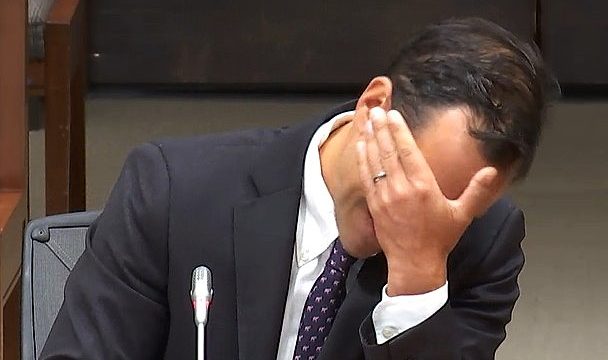
Canadians should brace for billions in new borrowing to be detailed next week in an updated five-year estimate of overspending, Interim Parliamentary Budget Officer Jason Jacques said yesterday. Testifying at the Commons government operations committee, Jacques said there was no question cabinet’s 2025 deficit will be much steeper than indicated: “The government wants to take 10 months before they put up an Excel spreadsheet that indicates what their deficit estimates are for the next five years.”
Disclose 9 IT Criminal Probes
Criminal investigations are underway into nine separate cases of suspected IT billing fraud at federal departments and agencies, the highest figure disclosed to date. A majority were referred to the RCMP following a separate 2024 police raid at the offices of a lead ArriveCan contractor: “The RCMP will not be providing any further information.”
MPs Draw Line On Letter Bill
A cabinet bill that grants postal inspectors new powers to open mail without a warrant is unlawful, Conservative critics said yesterday. “It is an assault on all Canadians,” said MP Roman Baber (York Centre, Ont.).

Condemns Anti-Jew Outburst
A CBC reporter’s on-air outburst against Jews was “normalizing hatred,” Heritage Minister Steven Guilbeault said yesterday. Climate reporter Elisa Serret was suspended following anti-Semitic comments in a French-language news program: “It risks normalizing hatred in deeply dangerous ways.”
Billed $1,117 On New Shoes
Governor General Mary Simon billed more than $1,100 for shoes last year in a continued expansion of her wardrobe at taxpayers’ expense. Disclosures of the latest accounts followed MPs’ warning to stop the spending: “We are in dire need of more transparency.”
Dentacare Overhead Is $473M
Management of the Canada Dental Care Plan has cost taxpayers nearly a half billion so far. The figure, concealed for years by cabinet, was disclosed yesterday: “I’ve heard rumours floating around that it’s quite excessive.”
Lost Emails “Very Serious”
Investigators by year’s end will answer suspicions on whether ArriveCan emails were intentionally destroyed, Information Commissioner Caroline Maynard said yesterday. Deliberate destruction of records sought under the Access To Information Act is punishable by two years in jail: “This is a very complex investigation involving very serious allegations.”