
A Liberal-appointed Senator last March attended meetings in China that “stressed the need to view each other as partners, not rivals,” according to a report tabled yesterday in the Senate. It came only days before Prime Minister Mark Carney called China the biggest threat to national security: “China, you say?”
Group Opposes Swastika Ban
A proposed federal ban on public display of the swastika is needless over-reach, says the Canadian Civil Liberties Association. The group in a submission to the Commons justice committee said the proposal “significantly expands criminal law.”
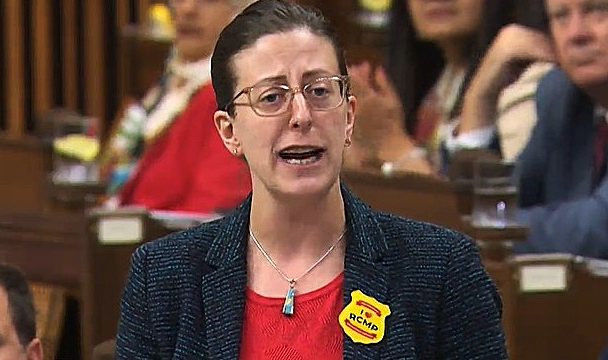
Can’t Wear That In Commons
Liberal MP Stephanie McLean (Esquimalt-Saanich, B.C.), secretary of state for seniors, yesterday was cited by the Commons Speaker for sloganeering by lapel button. House rules forbid “props of any kind.”
Vote 170-164 For Ethics Probe
The Commons yesterday by a 170 to 164 vote ordered month-long hearings into Prime Minister Mark Carney’s stock dealings. Carney was traveling abroad and missed the vote: “The Prime Minister continues to be aware of how he can benefit from the decisions he takes.”
Call Post Office Cuts Historic
Postal employees yesterday urged MPs to permit public consultations on major cuts to mail service. Cuts announced by cabinet were historic and far-reaching, union executives told the Commons government operations committee: “Let Canadians decide.”
Anti-Semites Cost A Million
Protection from anti-Semites is costing one of Canada’s largest Orthodox synagogues a million a year, says a submission to the Senate human rights committee. “We could fund a school with that,” said Congregation Schara Tzedek of Vancouver, largest Orthodox synagogue in the West.
Fed Auditor Invokes Secrecy
Auditor General Karen Hogan is invoking official secrecy in refusing to release questions drafted by her office to test the accuracy of Canada Revenue Agency call centres. The Agency disputed Hogan’s findings. Hogan’s predecessor published the text of a sample questions in an identical audit eight years ago: “Did anything surprise me?”
‘Security’ Bill Not Censorship
The Department of Industry yesterday tried to assure the Commons public safety committee a cybersecurity bill will not be used to censor dissent on the internet. MPs questioned a provision for warrantless measures against “any threat.”
PM Is Target Of Ethics Probe
The Commons today will vote on a surprise Opposition motion targeting Prime Minister Mark Carney’s stock holdings. Conservative MP Michael Barrett (Leeds-Grenville, Ont.) asked that the House launch an unprecedented ethics investigation with questioning of Carney’s chief of staff and former associates at Brookfield Asset Management: “Should a Prime Minister have investments in tax havens?”
Future Of TV Uncertain: Feds
The future of television in Canada is “uncertain,” says a Department of Heritage report. Researchers noted only 15 percent of households subscribe solely to traditional TV: “Fewer people are watching.”
Challenge Over Citizenship
Immigration Minister Lena Diab yesterday was accused of “cheapening Canadian citizenship” with a bill to grant Canadian status to the grandchildren of citizens abroad. Conservative and Bloc Québécois MPs have attempted to amend the bill prompted by a 2023 Court ruling: ‘Strangers cannot pass on Canadian citizenship in perpetuity.’
Want EV Mandate Repealed
Cabinet should completely revoke an electric vehicle sales mandate currently suspended for 2026 models, domestic automakers yesterday told the Commons industry committee. An auto lobbyist called it punitive and ill-timed: “It could be done today.”
Seeks Anti-Corruption Squad
The reporter whose coverage drove a Liberal MP from office yesterday testified legislators should create a federal anti-corruption agency. Sam Cooper of The Bureau News made the recommendation after noting connections between the Chinese Communist Party and Brookfield Asset Management formerly chaired by Prime Minister Mark Carney: “An independent anti-corruption agency is needed.”
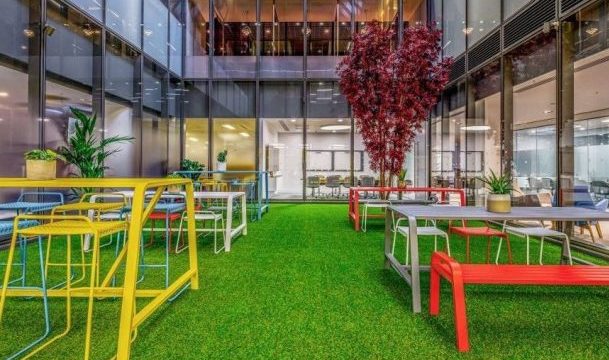
‘I Do Not Want Picnic Tables’
The National Research Council tried to conceal the six-figure cost of Brazilian walnut lounge furniture in its financial accounts after an executive complained she did not like picnic tables, records show. Access To Information documents disclose managers spent more than a year selecting lounge chairs for a rooftop party patio: “The only thing I have asked for was no picnic style tables.”
Don’t Have Votes To Pass Bill
Liberal MPs today will attempt to clear their first post-election budget bill through the Commons finance committee after four months’ delay and stiff opposition. MP Ryan Turnbull (Whitby, Ont.), parliamentary secretary for finance, complained of Conservative proposals for tax cuts: “It’s important to realize who is actually in the driver’s seat.”



